
What Germany CanTeach Us AboutCultural Infrastructure
By Jeremy JohnsonPresident & CEO of Assembly for the Arts
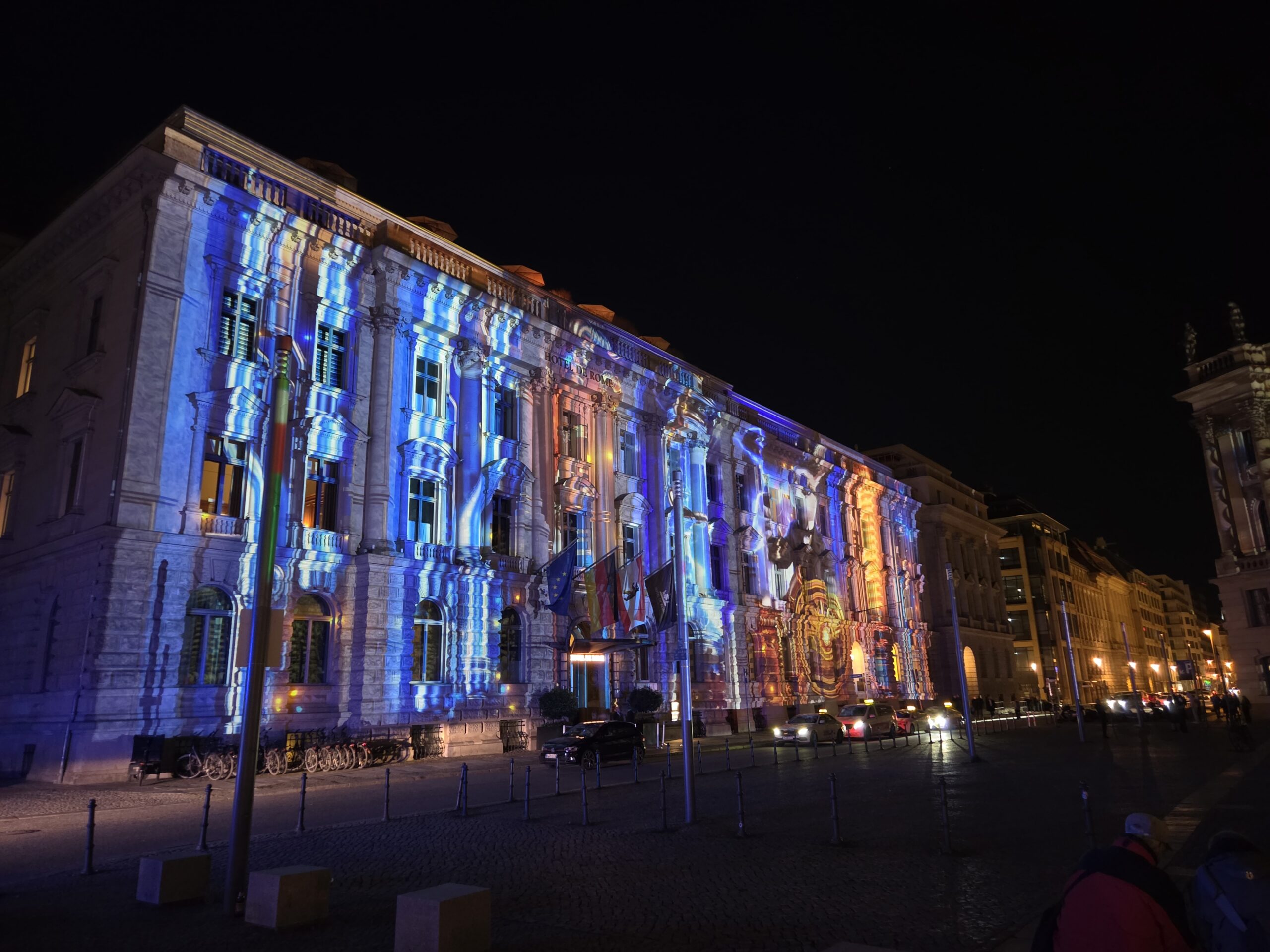
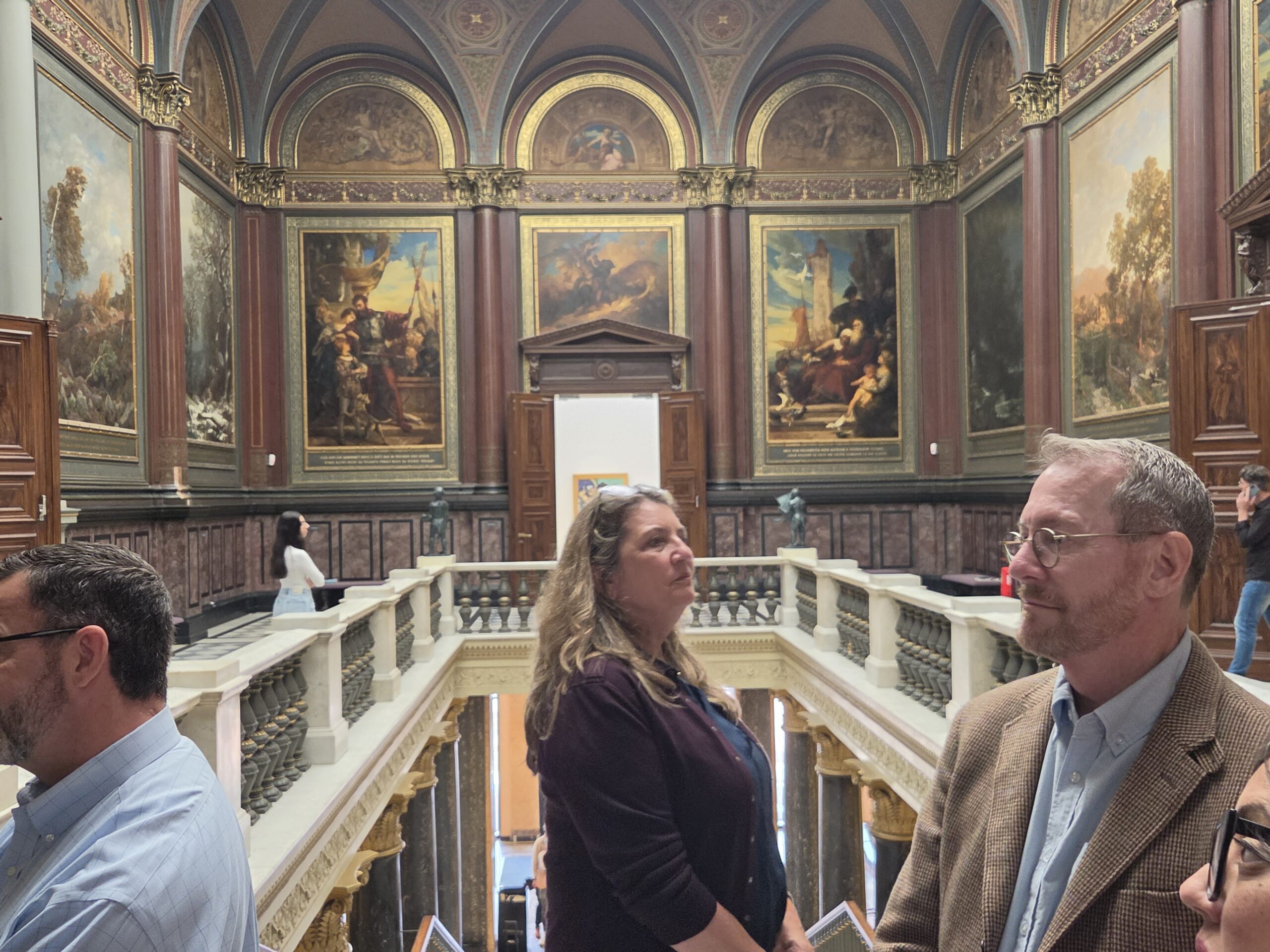
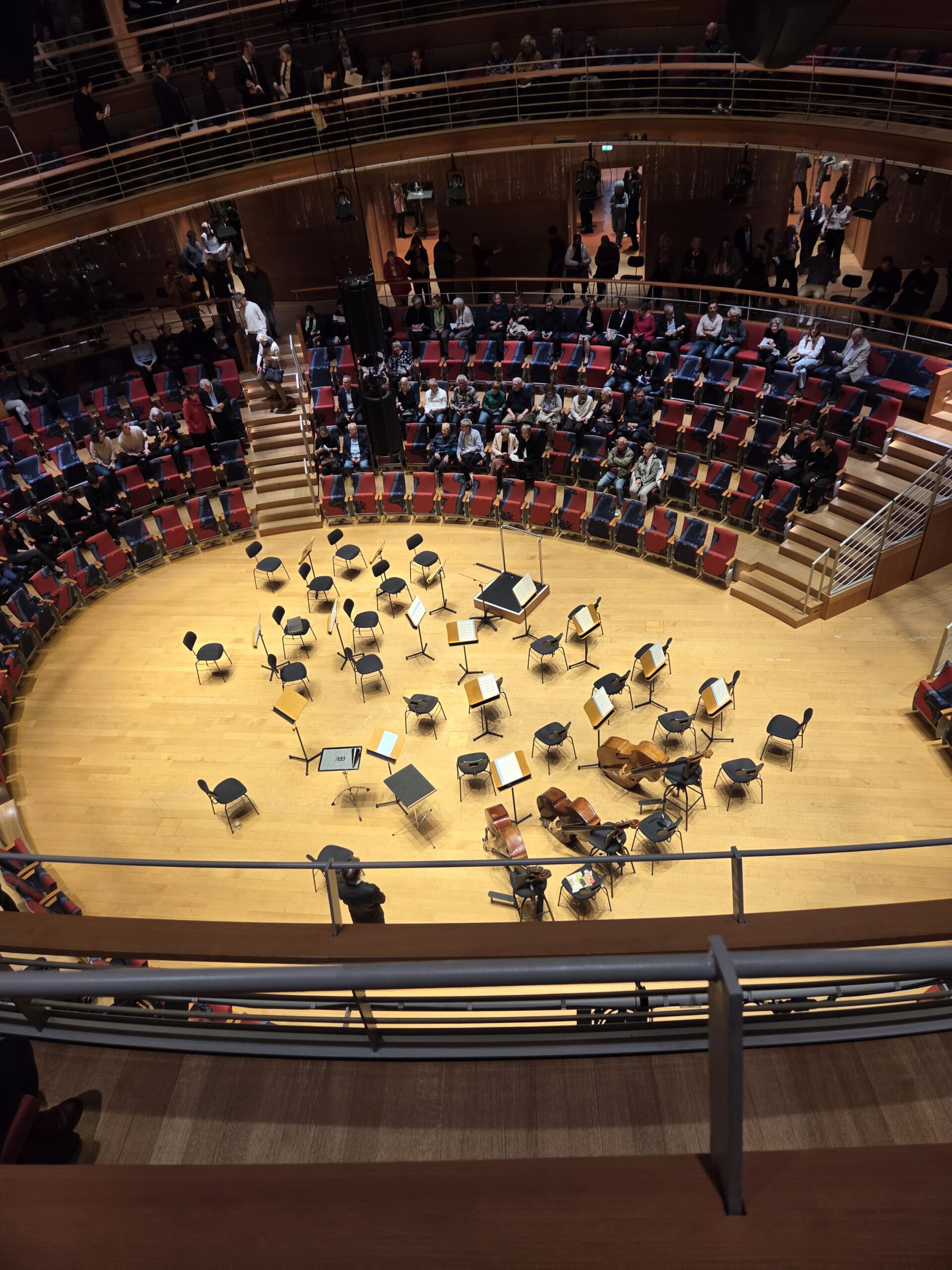
This October, I joined a small delegation of American arts and culture leaders invited by the German government to participate in a week-long study tour examining Germany’s cultural ecosystem. Through conversations with public officials, cultural institutions, funders, and community leaders, we explored how cultural policy and public investment shape civic life and considered what lessons might be relevant for Cleveland.
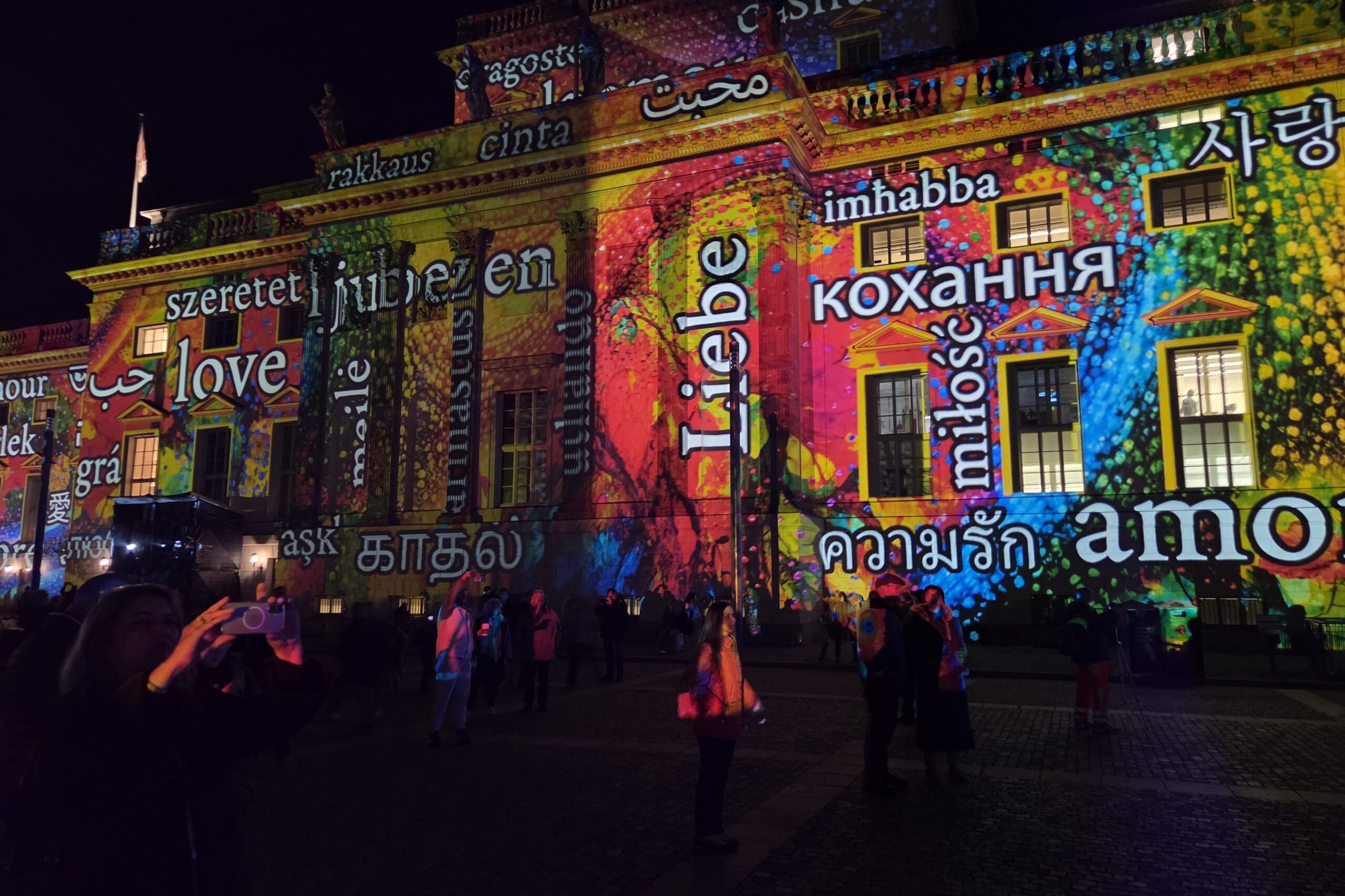
Culture as a Public Responsibility
One of the most striking observations from the trip was the extent to which culture is treated as a public responsibility in Germany. Arts and culture are not presented as optional amenities or economic development tools alone. Instead, they are understood as essential civic infrastructure, supported through public policy and public investment as a matter of public good.
This perspective is reinforced by Germany’s constitutional protection of artistic freedom and reflected in funding structures that span federal, state, and local government levels.
As an American participant, I was especially aware of how differently we often frame these conversations. In the United States, and particularly in local advocacy efforts, we frequently begin by demonstrating the economic impact of arts and culture. We justify investment through job creation, tourism, neighborhood development, or workforce benefits before discussing culture’s broader civic and social value.
In Germany, many of the conversations began from a different premise: that arts and culture have intrinsic value and that public support for cultural life is a legitimate function of government. This distinction challenges us to consider how we communicate the value of arts and culture in our own communities.
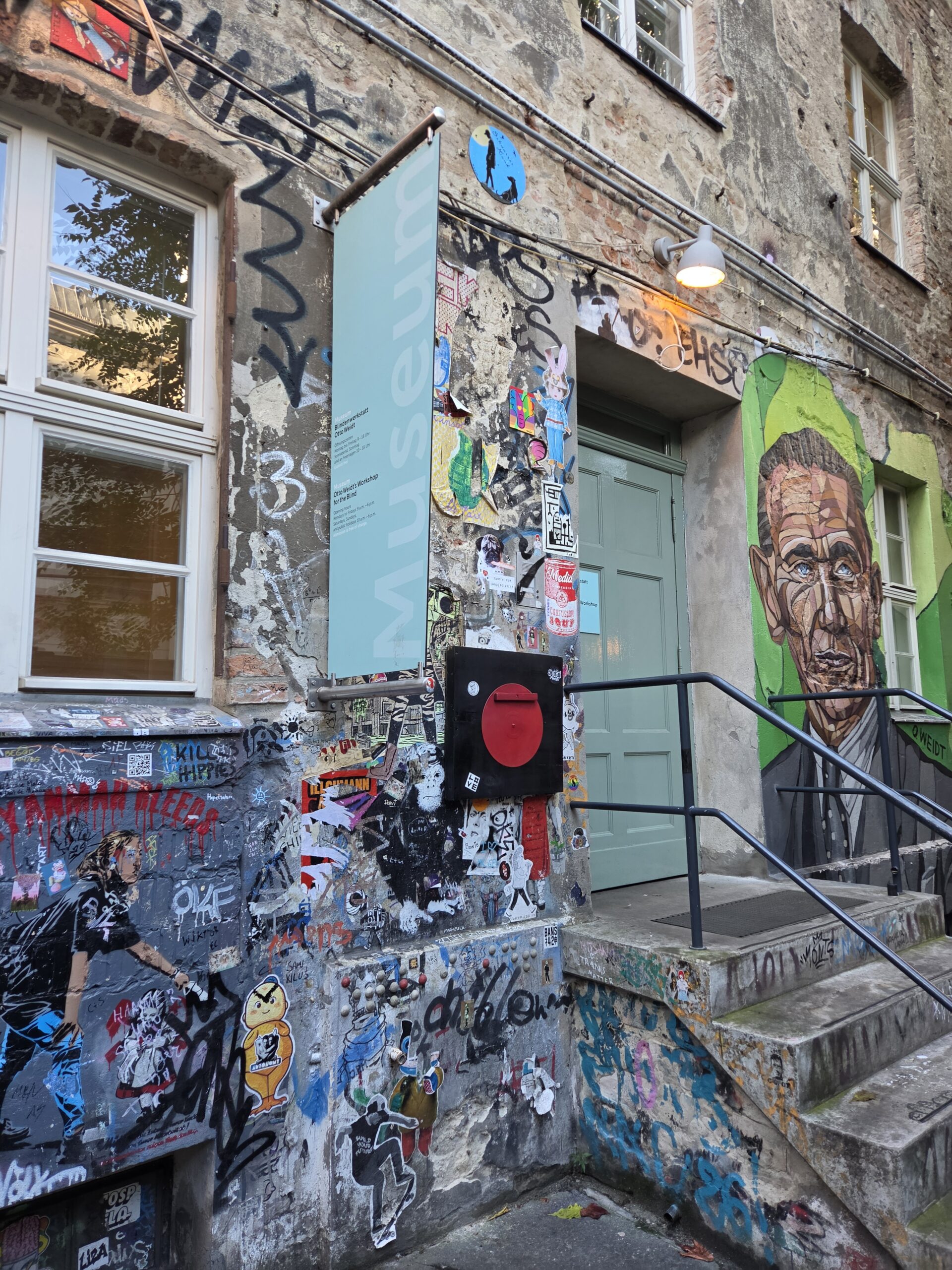
Strong Systems Still Face Challenges
The visit also served as a reminder that no system is immune from pressure. Despite Germany’s robust public funding infrastructure, many organizations continue to navigate political shifts, budget constraints, and competing public priorities.
The challenges may look different, but the fundamental questions about sustainability, public support, and cultural relevance are familiar. Stronger public systems create important protections and opportunities, but they do not eliminate the need for advocacy, stewardship, and public engagement.
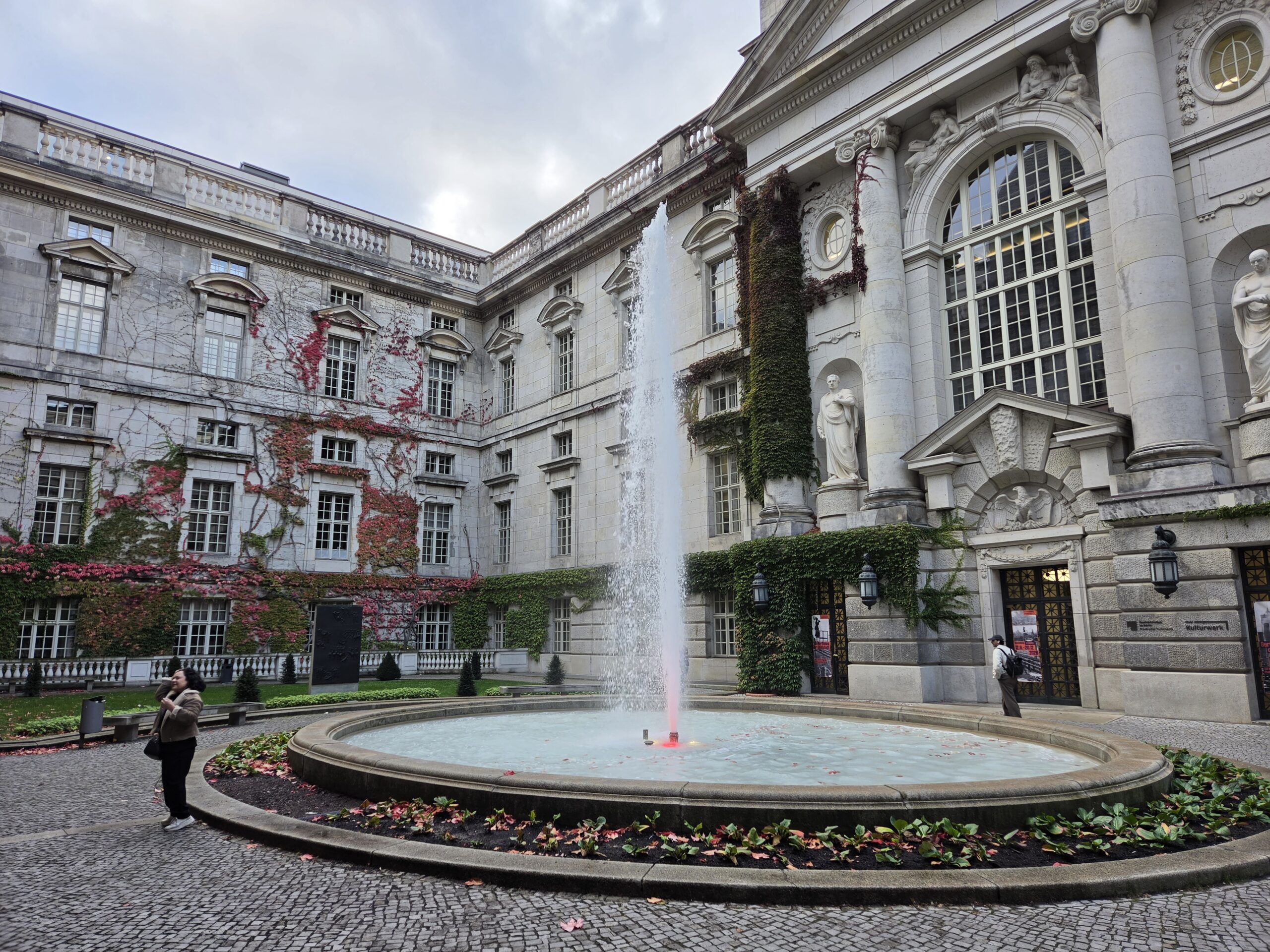
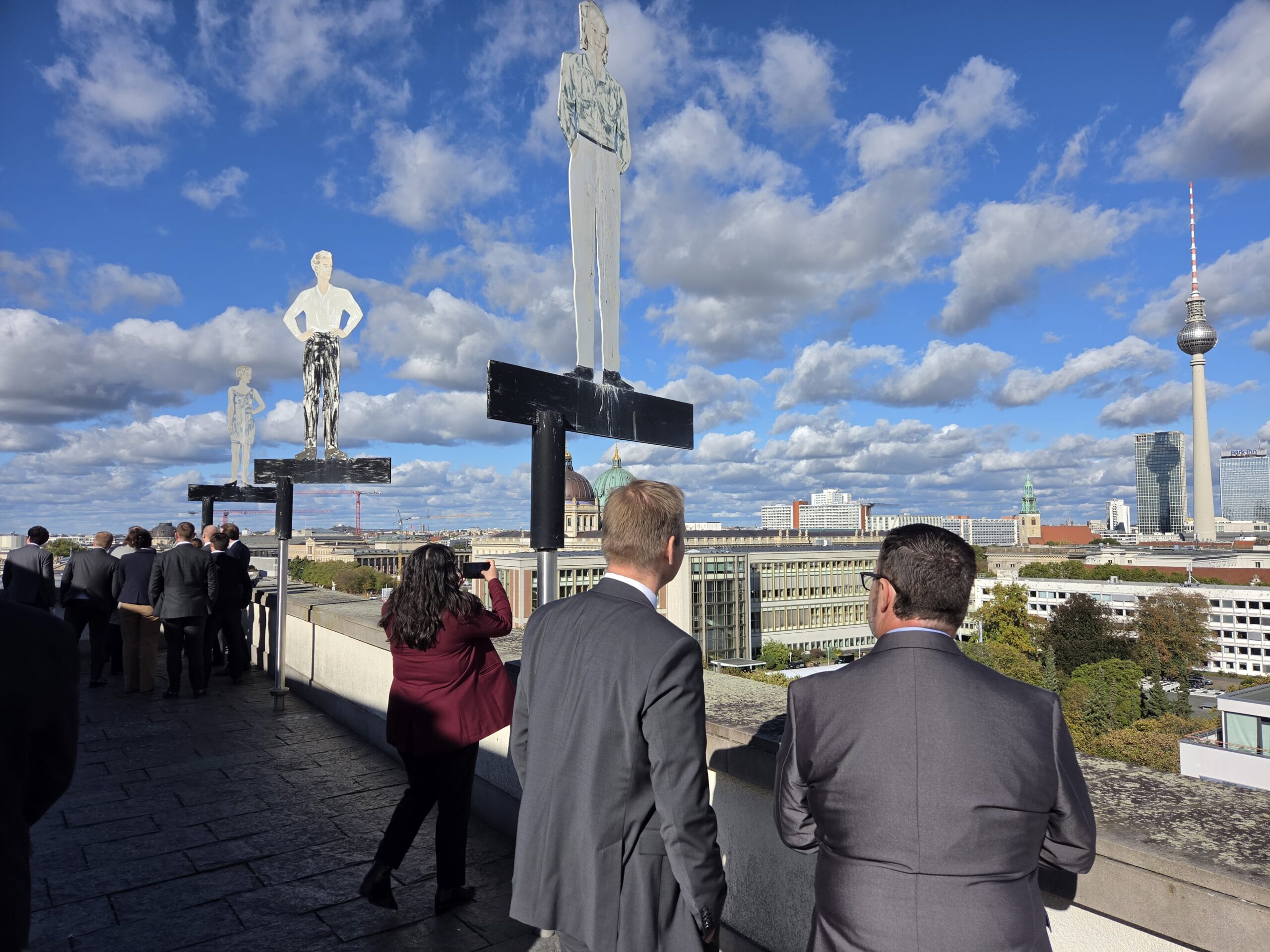


Connecting Culture, Place, and People
Another theme that emerged repeatedly was the connection between culture, place, and people.
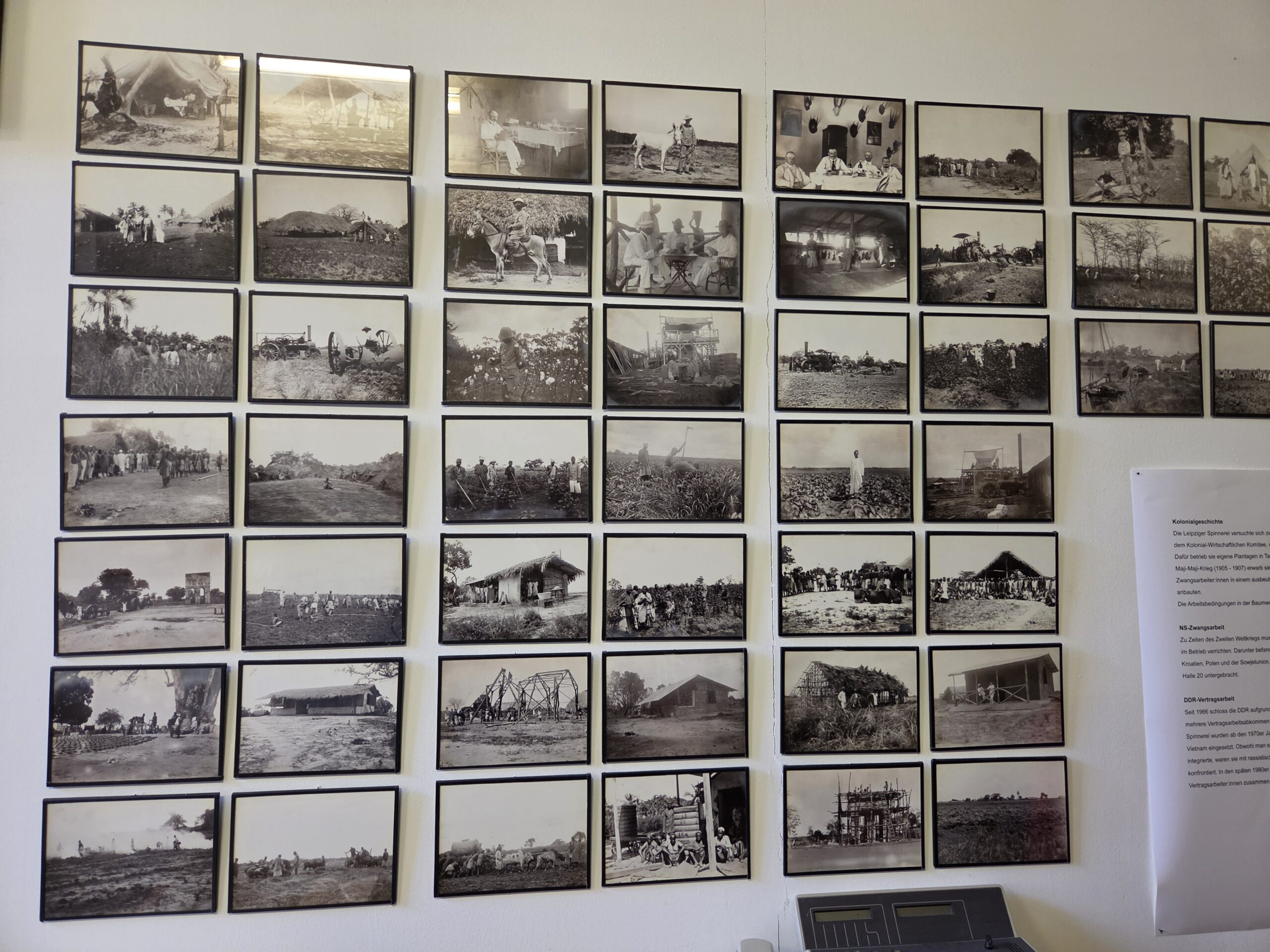
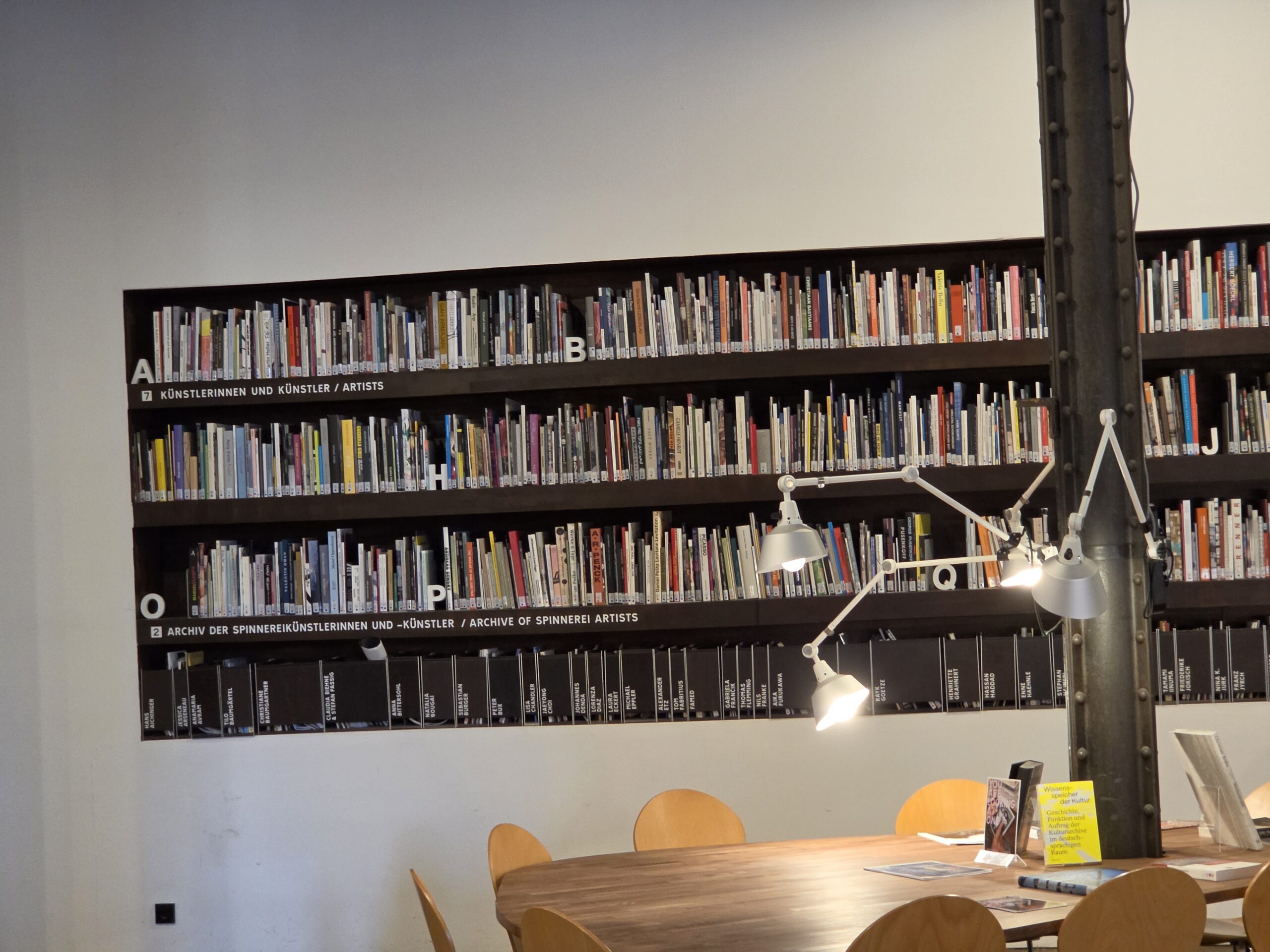
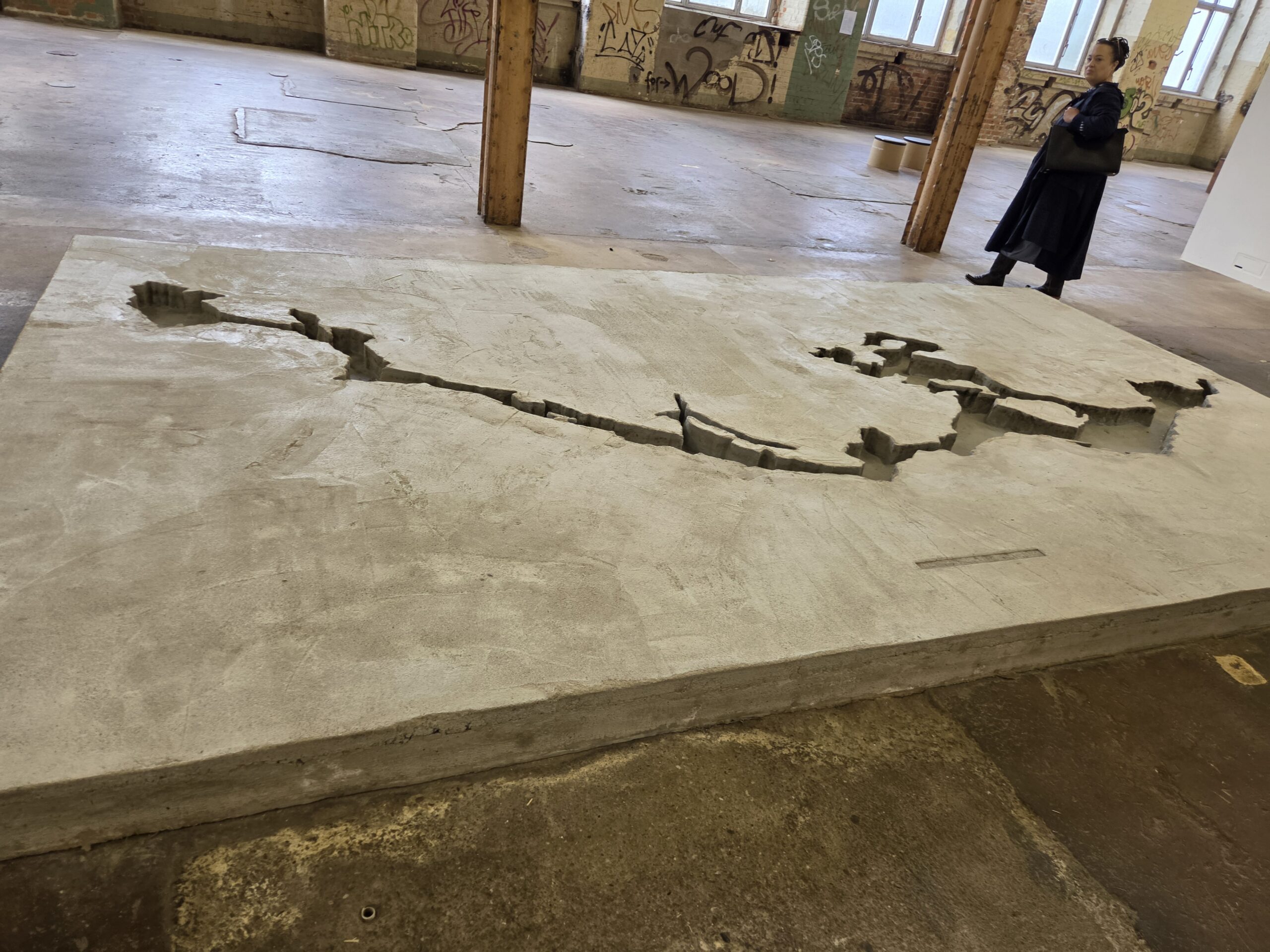
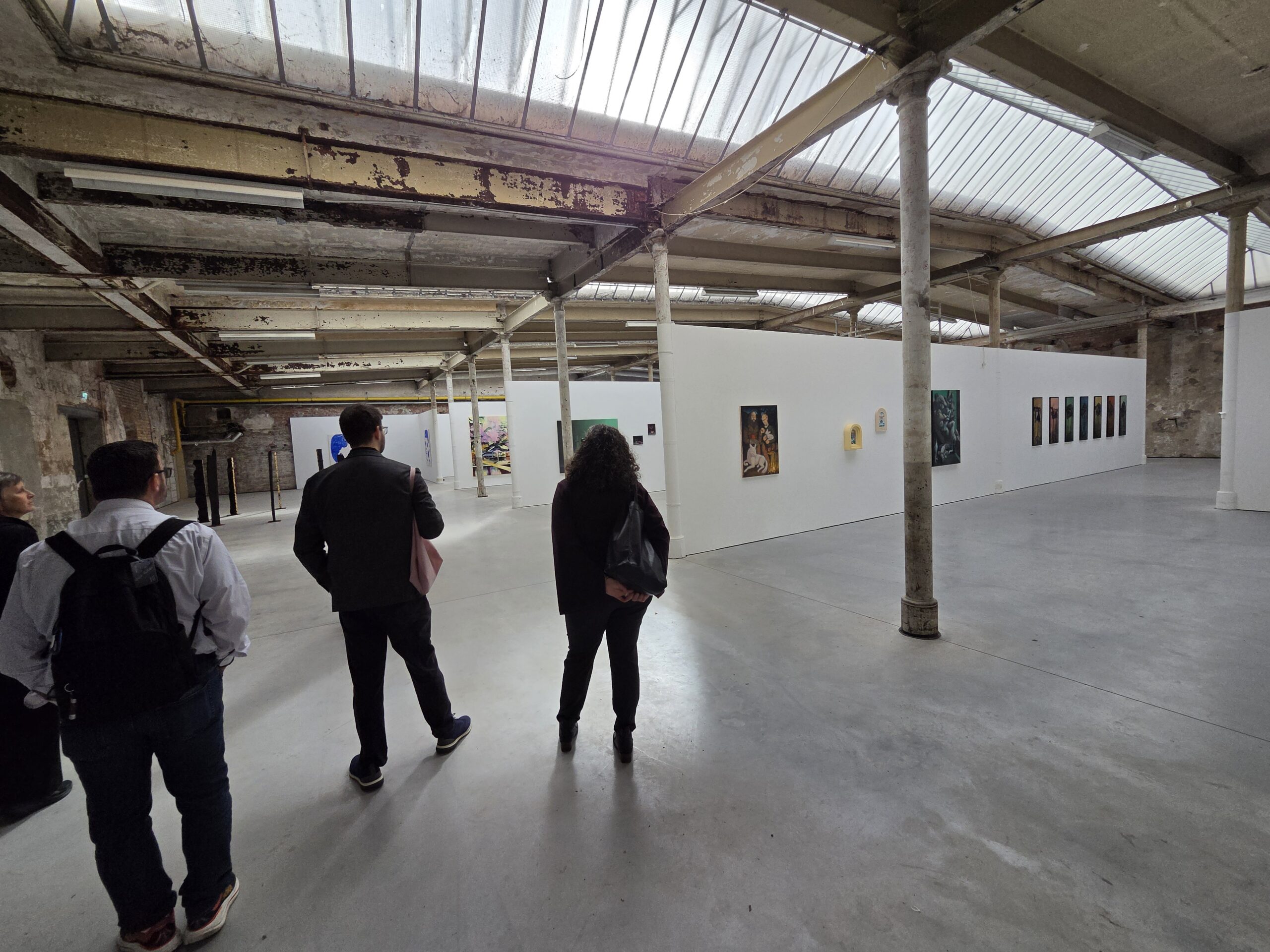
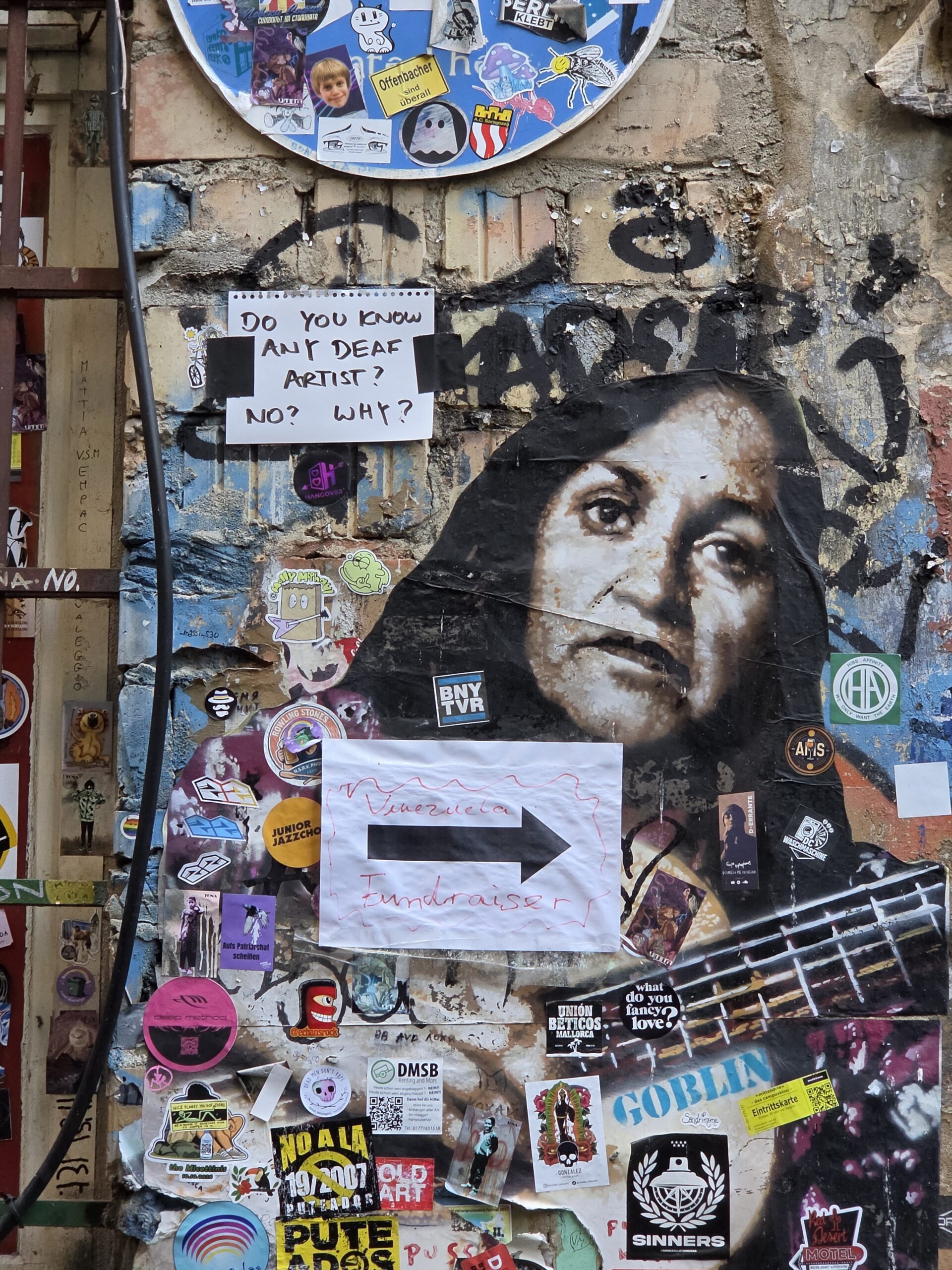
Some of the most compelling examples we encountered involved former industrial sites that had been reimagined as cultural assets, youth-serving cultural institutions, and community-centered spaces that integrated arts, education, and civic life. These projects were not simply arts facilities. They represented broader approaches to land use, community development, and public investment.
They also demonstrated how cultural infrastructure can help communities navigate transitions from industrial economies toward more dynamic and inclusive futures.
Questions for Cleveland
For Cleveland, the experience raised important questions:
- What cultural assets do we view as civic infrastructure worthy of protection and long-term investment?
- How can we better support artists, young people, and institutions as essential contributors to community well-being?
- Who has a voice when public assets and spaces are repurposed?
- How might public agencies, philanthropy, and other funding partners work more strategically together to build a stronger cultural ecosystem?
These are questions that resonate deeply with the work of Assembly for the Arts as we continue to strengthen Greater Cleveland’s creative sector.
Looking Ahead
The visit provided an opportunity to reconsider our assumptions about the role of arts and culture in public life. Germany’s example suggests that when culture is treated as a shared public responsibility, it becomes easier to think beyond short-term outcomes and focus on long-term civic value.
As Cleveland continues to evolve, there may be opportunities to strengthen the connections between cultural investment, public policy, land stewardship, and community development in ways that better serve both artists and residents.
Ultimately, the study tour reinforced a simple but powerful idea: culture is not an add-on to civic life. It is one of the ways communities understand themselves, shape their future, and sustain public belonging across generations.
For Assembly for the Arts, this perspective affirms the importance of advancing policies, investments, and partnerships that strengthen Greater Cleveland’s cultural ecosystem and position artists and cultural organizations as vital civic assets in their own right.