The Future of Arts Funding in Cuyahoga County
New research from Assembly for the Arts, SMU DataArts, and Lord Cultural Resources examines the current state of arts funding in Cuyahoga County, analyzes peer funding models from across the country, and explores opportunities for long-term resilience.
Key Takeaways
Explore the main takeaways of the report.
Read the Report
Click on the button below to access the full data report.
Why This Report Matters
The arts and culture sector is a vital contributor to quality of life, economic activity, and community vitality. Yet arts organizations are navigating rising costs, shifting revenue streams, and increasing competition for philanthropic and public funding.
While Cuyahoga County remains a national leader in public arts support, the region’s primary public funding source—a dedicated cigarette tax—faces long-term challenges as smoking rates continue to decline. This report explores how communities across the country are funding arts and culture and what lessons may help inform future conversations about cultural investment in Greater Cleveland.
In this report, you will discover:
How five U.S. regions fund arts and culture through different public revenue models.
The tradeoffs between stability, flexibility, and equity across funding systems.
The role of government, nonprofits, and cultural institutions in administering public funds.
Key lessons and considerations for communities evaluating future cultural funding strategies.
Five Key Takeaways
Cuyahoga Is Among the Nation's Most Arts-Vibrant Communities
The county consistently ranks among the top arts ecosystems in the United States, supported by strong public and private investment.
Rising Costs Are Creating Pressure
Expenses increased 21% between 2022 and 2023 while contributed income declined.
Public Funding Creates Stability
Organizations receiving local public funding outperform non-funded peers in attendance recovery and earned revenue generation.

Strong Systems Layer Revenue Sources
Research from peer regions suggests that communities with multiple funding streams are often better positioned to weather economic and political change.
Dedicated Funding Works—But Has Limits
The cigarette tax has provided exceptional stability, but revenues have declined 34% since 2016 due to reduced cigarette consumption.
Dive Deeper into the Data
These findings are just the beginning. Explore detailed case studies, funding structures, governance models, equity approaches, and operational insights from Denver, Pittsburgh, Portland, Minneapolis, and Columbus.
Five Cities. Five Approaches to Public Arts Funding.
There is no one-size-fits-all approach to arts funding. The report examines five communities that have built distinct funding systems based on their local priorities, governance structures, and economic conditions.
Denver
Regional Sales Tax
A voter-approved regional sales tax provides long-term, dedicated funding for cultural and scientific organizations across seven counties.
Pittsburgh
County Sales Tax
A permanent countywide sales tax funds cultural institutions, libraries, parks, and other regional assets through a statutory allocation system.
Portland
Arts Income Tax
A flat annual arts tax supports arts education and cultural programming, with funding priorities established through city code.
Minneapolis
General Fund Support
Arts funding is primarily allocated through the city’s annual budget process, making support directly tied to municipal fiscal conditions.
Columbus
Admissions & Tourism Taxes
Revenue from entertainment admissions and hotel stays helps fund grants, artists, festivals, and cultural organizations citywide.
What We Learned from Peer Communities
Layer Funding Sources
The most resilient systems combine multiple revenue streams.
Design for Equity
Funding outcomes are shaped by structural design, not just grant guidelines.
Think Regionally
Regional approaches can strengthen political support and financial sustainability.
Build for the Long Term
Dedicated funding mechanisms work best when designed to adapt to changing economic conditions.
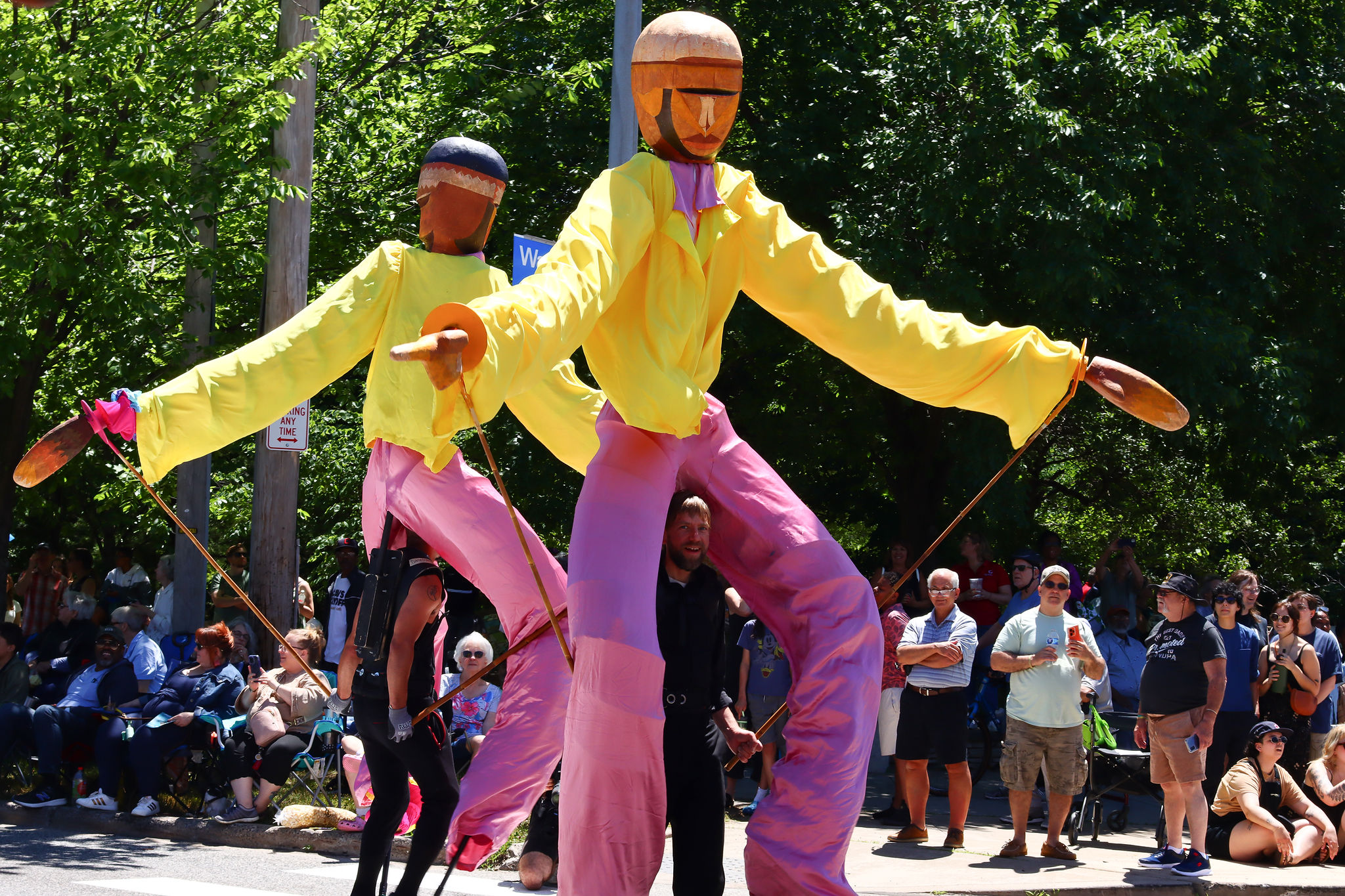
Strength Today. Resilience Tomorrow.
Cuyahoga County enters this moment from a position of strength. It ranks among the nation’s most arts-vibrant communities, leads peer regions in individual giving, and benefits from one of the country’s most recognized public arts funding mechanisms.
Yet the most durable arts funding systems are those that continuously evolve alongside changing economic conditions, community needs, and funding landscapes. Through analysis of local trends and peer communities across the country, this report explores how funding structures can support both stability and adaptability over the long term.
The opportunity ahead is clear: build on a successful foundation while planning for the future.
Explore the Broader Conversation
Discover additional research, stories, and resources examining arts funding, cultural policy, community impact, and the future of Greater Cleveland’s creative sector.

Northeast Ohio’s Cultural Future: What Cities Can Teach Us About Cultural Investment


Analysis of Cultural Sectors Across 10 U.S. Cities Reveals Divergence in Financial Health Since Pandemic
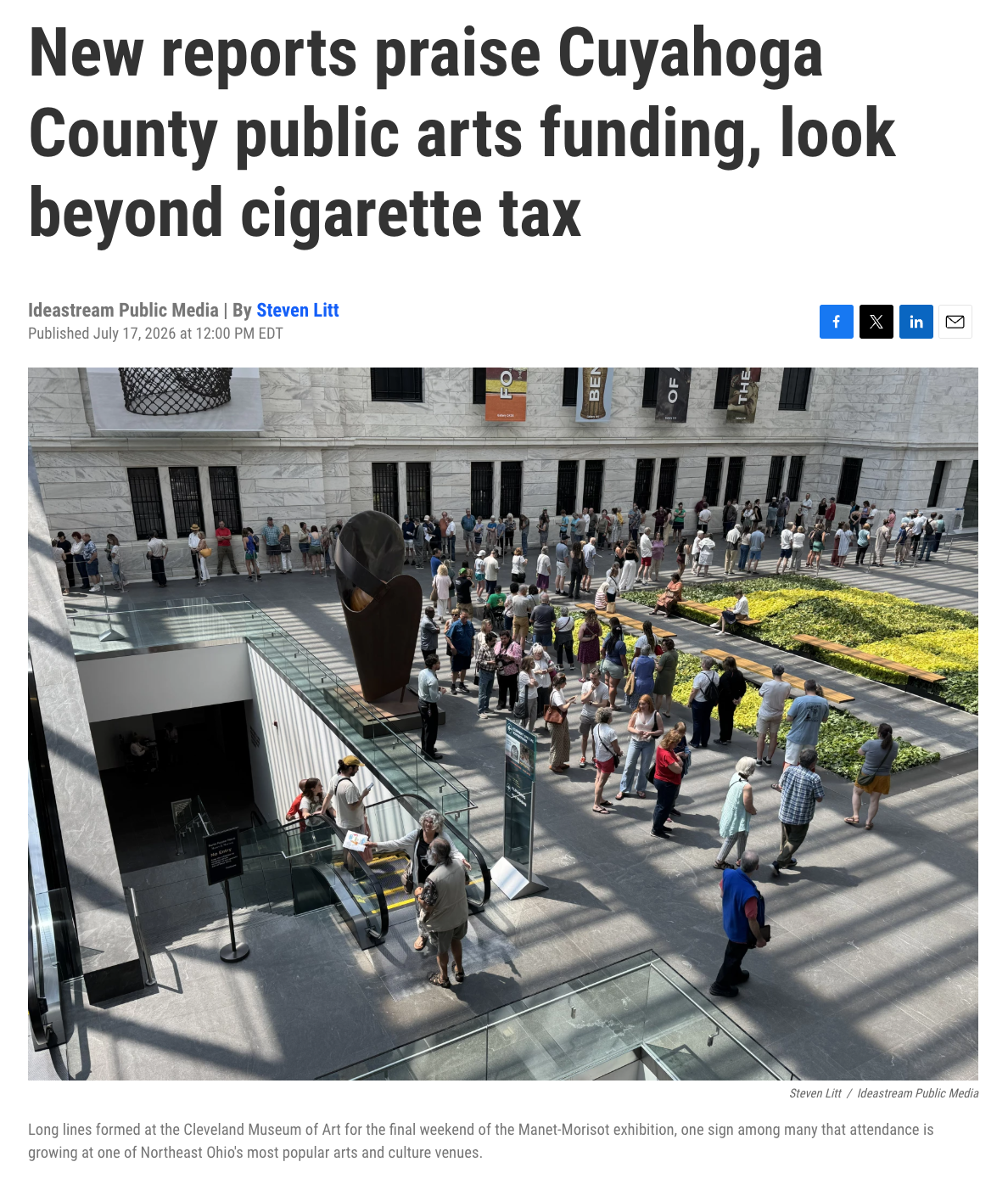
Ideastream: New reports praise Cuyahoga County public arts funding, look beyond cigarette tax
Stay Connected
Interested in future research, data insights, and conversations about arts and culture in Cuyahoga County?

Acknowledgements
This research was made possible through the generous support of the funders below who recognized the importance of this work for Cuyahoga County.

This research was commissioned by Assembly for the Arts and made completed through a partnership with SMU DataArts and Lord Cultural Resources.